Why a Gin Bar Appeals to Modern Drinkers
A good gin bar does not succeed by stocking dozens of labels and hoping variety does the work. It succeeds because it understands how people drink now. Modern drinkers tend to be curious, selective, and far more aware of flavor than previous generations of casual bar-goers. They are less interested in the old idea of ordering the same spirit with the same mixer every Friday night, and more interested in experience, craft, mood, and the small details that make a place feel worth returning to.
That shift has made the gin bar especially relevant. Gin sits at a rare crossroads. It carries heritage, but it also welcomes experimentation. It can feel classic in a chilled martini, refreshing in a long drink, bright in a seasonal spritz, or quietly complex in a short serve with almost no adornment. Few spirits are this adaptable without losing their identity. For a modern audience that wants both familiarity and discovery, that matters.
The appeal is not only in the glass. It is in the setting, the service style, the ritual, and the sense that someone behind the bar has made choices on purpose. A well-run gin bar can satisfy the person who wants one excellent G and T after work and the person who wants to spend an evening comparing juniper-forward London dry bottlings with softer contemporary gins built around citrus, herbs, or florals. That range is one reason the category has stayed lively while other trends have flared and faded.
Gin fits the way people want to explore flavor
Modern drinking culture is less driven by volume and more by taste. People still want sociability and fun, of course, but many are also paying attention to aroma, balance, ingredients, and provenance. Gin rewards that attention. Even someone with no formal spirits knowledge can notice the difference between a piney, crisp pour and one that leans toward orange peel, lavender, or green spice.
That makes a gin bar unusually inviting. Whisky bars can intimidate newcomers with long back bars and highly specific language around cask types, regions, and age statements. Wine bars often require a comfort level with producers, vintages, and grape varieties that not everyone has. A gin bar, at its best, offers complexity without demanding a lecture first. Guests can engage at the level they want. One person may ask about Macedonian juniper or vapor infusion. Another may simply say, “I like citrus and I do not want anything too sweet.” Both can leave happy.
This accessibility is often underestimated by operators. In practice, it is one of the strongest commercial reasons gin-focused venues keep attracting broad audiences. Gin can be taught quickly at the table. It can also surprise seasoned drinkers. That is useful in hospitality. The same menu can welcome a novice and still hold the attention of someone who knows classic cocktails and wants something sharper than the usual highball.
The spirit itself carries variety without chaos
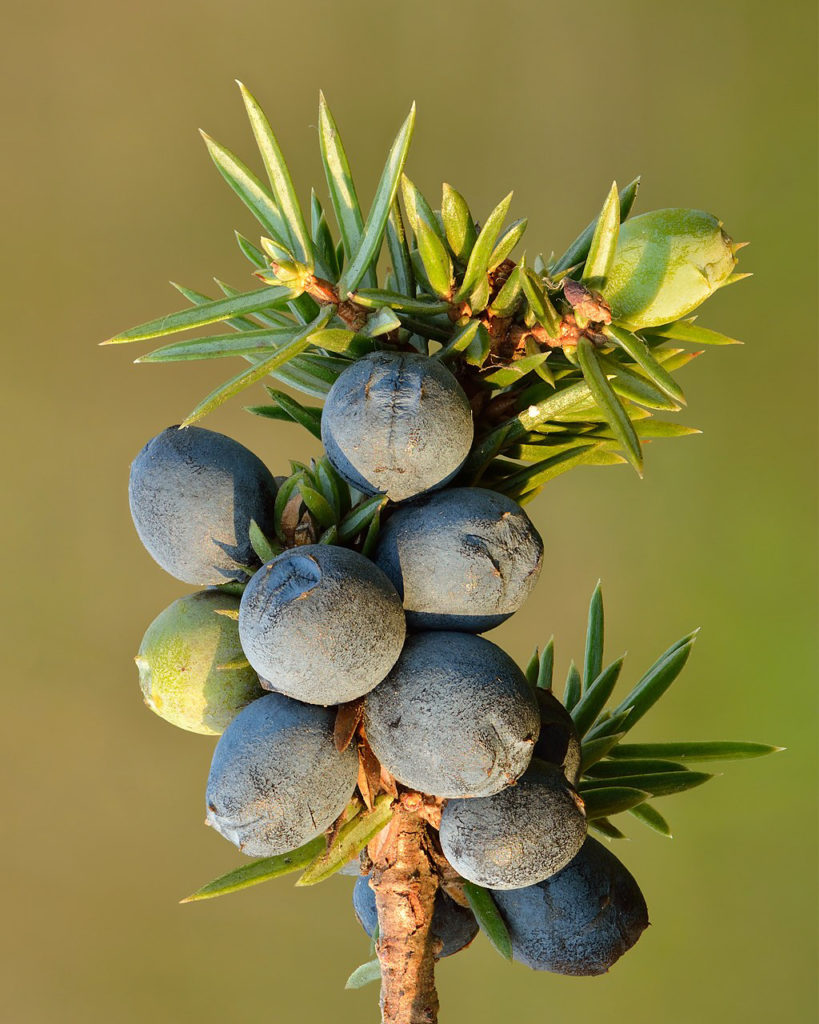
A serious gin bar benefits from the fact that gin has rules, but not too many. Juniper must remain central, which gives the category a recognizable core. Beyond that, a distiller has room to shape the profile with coriander seed, angelica root, citrus peels, cardamom, orris, cassia, rosemary, cucumber, seaweed, chamomile, black pepper, or any number of other botanicals. The result is variety with a common thread.
That matters more than sheer novelty. Many drinkers enjoy trying something new, but they do not want every order to feel like a gamble. Gin offers enough continuity that experimentation feels safe. If a guest who usually drinks a classic London dry tries a softer contemporary style, they can still recognize the structure of the spirit even when the botanical expression changes. There is a comfort in that.
I have seen this play out in bars where customers begin with one familiar choice and end up discussing four others by the end of the night. They are not being converted into gin obsessives. They are responding to a category that reveals itself in steps. A peated whisky can divide a table instantly. A bitter amaro can lose half the room on first sip. Gin tends to open doors rather than close them.
The modern drinker likes customization, and gin encourages it
Few drinks are as personal as a gin and tonic when a bar takes it seriously. The gin matters, but so do the tonic, the glassware, the ice, the garnish, and even the temperature at which the drink is served. Change one Gin Bar of those elements and the experience shifts noticeably. That gives a gin bar one of its strongest advantages: it can make customization feel elegant rather than fussy.
A guest may prefer a drier tonic with a high-carbonation profile, or a softer one with gentler bitterness. Someone else may want grapefruit peel instead of lime because they dislike sharp acidity. Another may want a sprig of rosemary because they enjoy savory aromatics, while the next guest would rather avoid herbal garnish altogether. In a gin bar, these choices are not treated as awkward modifications. They are part of the point.
This kind of controlled personalization suits the current market. People expect products and services to reflect their tastes, but they also want guidance. Too much freedom can become work. A smart gin bar narrows the field just enough. Instead of handing over an encyclopedic menu and disappearing, the staff interprets preference and steers the guest toward two or three good options. That level of curation feels modern because it saves time without flattening individuality.
A gin bar offers sophistication without heaviness
There is a reason many drinkers gravitate toward gin when they want a night out that feels polished but not exhausting. Gin-based drinks can be layered and serious, yet they rarely carry the same weight as dark-spirit cocktails or heavily sugared mixed drinks. That lighter impression is not only about alcohol content, which often remains similar. It is about aroma, dilution, texture, and expectation.
A martini can be strong, but it lands as clean and bracing rather than sticky or dense. A gin and tonic feels long, sparkling, and crisp. A Southside or a Tom Collins can taste vivid and structured without feeling like dessert. In practical terms, this gives a gin bar social flexibility. It works for dates, work gatherings, pre-dinner drinks, and full evenings out. People can stay for one round or several without feeling trapped in a single register of taste.
That tonal flexibility is particularly appealing to urban professionals, mixed-age groups, and diners who want drinks that complement food rather than overpower it. A table sharing oysters, fried seafood, charcuterie, or lighter small plates often finds that gin threads through the meal better than richer spirits do. It can sharpen appetite rather than mute it.
Design and atmosphere matter more than people admit
Many successful gin bars understand something basic about hospitality: the room shapes the drink. Gin has long associations with elegance, old hotel bars, polished metal, clear glass, and botanical imagery. Those associations can be used clumsily, but when they are handled with restraint, they create an atmosphere that modern drinkers find appealing.
The room does not have to be ornate. In fact, many of the best gin bars avoid over-styling. What they get right is clarity. Clean glassware, good lighting, visible bottles, tidy service stations, and enough distance between tables for conversation all support the product. A gin serve is visual. The bubbles in a quality tonic, the clarity of the spirit, the shape of the bowl or stem, the garnish release as the drink warms slightly in the hand, these details contribute to why people order gin in public settings.
Social media has amplified this, but the appeal predates the camera. People simply enjoy drinks that look as precise as they taste. A rum old fashioned can be beautiful, but it does not carry the same feeling of brightness and refinement. Gin often does. Modern drinkers may not always say they are chasing aesthetic pleasure, but they respond to it all the same.
The category balances classic heritage with fresh energy
One reason gin bars keep attracting interest is that gin never feels entirely new and never feels entirely finished. It has deep roots in European drinking culture, long-established cocktail canon, and a shelf of recognized classics. At the same time, the category has benefited from waves of small distiller innovation over the last two decades. That combination is commercially powerful.
People like products with a story, but they also like products that remain alive. Gin delivers both. A venue can reference the martini, the negroni, and the gimlet while also pouring a small-batch gin made with local citrus or coastal botanicals. That movement between old and new suits the contemporary palate. Drinkers want authority, but they resist stiffness. They want discovery, but not gimmicks.
The bars that do this best avoid turning every bottle into a history lesson. Instead, they let the guest feel the continuity. A person may order a classic cocktail, then notice a house G and T built around a regional gin they have never seen before. That quiet invitation to branch out is more effective than trend-chasing menu copy.
The rise of food-aware drinking helps gin bars
Modern drinking is often tied more closely to food than it was twenty years ago. People may drink less overall, but when they go out, they expect better integration between kitchen and bar. Gin is exceptionally useful here because its botanical nature gives it natural bridges into the dining side of hospitality.
Citrus, herbs, spice, saline notes, floral touches, cucumber, and pepper all have obvious culinary parallels. A gin bar with even a modest food program can build pairings that feel intuitive instead of forced. Oysters with a mineral, juniper-led gin and a lean tonic. Fried chicken sliders with a gin cocktail sharpened by lemon and green herbs. Burrata with a softer, citrus-driven gin spritz. Charred prawns with a martini variation that includes a savory accent. These combinations work because gin can echo or contrast food with unusual precision.
For modern drinkers, that creates an evening with more shape. They are not only choosing drinks. They are building a sequence of flavors. It is a more engaged form of going out, and one that justifies spending more per head when the quality is there.
The service culture around gin can feel more conversational
A well-trained gin bar team does not need to perform expertise in a theatrical way. In fact, the category works best when staff knowledge comes across as practical and easy. That style of service has become more important as customers grow wary of pretension. People want informed recommendations, not intimidation.
Gin makes conversational service easier because preference can be translated quickly. If a guest says they normally drink sauvignon blanc, the bartender might suggest a bright, citrus-led gin serve. If they like dry vermouth and olives, a martini route makes sense. If they enjoy aromatic beers or herbaceous non-alcoholic drinks, a savory gin and tonic may land well. These bridges help staff sell more effectively while making guests feel understood.
From an operational perspective, this is valuable. Spirit categories that rely on heavy education can slow service and make less confident staff struggle. Gin has technical depth, but it also has immediate sensory shorthand. Pine, lemon, pepper, floral, herbal, dry, crisp. Those words are enough to guide many decisions. In busy service, that matters.
There is room for moderation without sacrificing ritual
Another reason a gin bar appeals to modern drinkers is that the category adapts well to changing attitudes around alcohol intake. Many guests still enjoy strong cocktails, but more are pacing themselves, alternating serves, or seeking lower-intensity options through the course of an evening. Gin bars can respond without making the experience feel second-best.
A long gin serve with plenty of ice and tonic can provide length and refreshment. Lower-ABV cocktails that use a measured amount of gin alongside vermouth, sherry, or aperitifs can still taste deliberate. Some bars now offer alcohol-free botanical distillates in the same style of serve, which allows one member of a group to participate in the ritual even if they are not drinking alcohol. That matters socially. People often want the ceremony of the drink as much as the alcohol itself.
A well-run gin bar can accommodate different drinking speeds at the same table. One guest may have martinis. Another may nurse a long serve. Another may switch to a non-alcoholic botanical tonic after the first round. When the bar handles all three with equal care, it matches the habits of the modern customer.
What people actually look for in a gin bar
The appeal is not based on one feature. It usually comes from a combination of practical and emotional factors that reinforce each other.
- Range without confusion
- Staff who can guide without lecturing
- Thoughtful tonic and garnish choices
- A room that feels polished but relaxed
- Drinks that suit both quick visits and longer evenings
If even three of those are in place, guests tend to forgive a lot. If they are all present, a gin bar develops regulars rather than occasional drop-ins.
There are trade-offs, and smart bars acknowledge them
Gin is versatile, but a gin bar can still get it wrong. Some overemphasize bottle count and underinvest in execution. Stocking eighty gins means little if the tonic is flat, the ice melts too fast, or the garnishes smell tired by 9 p.m. Others build menus around novelty, chasing unusual botanicals while neglecting the classics that many guests genuinely want.
There is also the issue of palate fatigue. If every drink on the menu leans hard into juniper, citrus, and herbs, the selection can begin to feel narrower than it first appears. The best gin bars avoid this by offering contrast in format and texture. They include stirred drinks, sparkling drinks, sour structures, savory serves, and perhaps one or two barrel-rested or richer options that broaden the evening. They are gin-focused, not gin-monotonous.
Price is another consideration. Premium gin and premium tonic served in quality glassware with careful garnish can become expensive fast. Modern drinkers will pay for quality, but they can tell when pricing is driven by image rather than substance. A bar that wants repeat business needs at least a few accessible serves alongside showpiece cocktails.
Why the format works especially well right now
The wider market has moved toward curation. Whether people are choosing restaurants, hotels, retail, or bars, they increasingly prefer places with a point of view. Generalist venues can still thrive, but specialist spaces often create stronger loyalty because customers know what they are there for. A gin bar offers exactly that kind of clarity.
It also fits how people socialize now. Not every night out is a blowout, and not every drink needs to be a performance. Sometimes people want a setting that feels elevated without being loud or chaotic. A gin bar can provide that middle ground. It is specific enough to feel intentional, broad enough to suit mixed groups, and refined enough to justify the outing.
For younger drinkers discovering classic cocktails, gin provides an approachable entry. For older drinkers who have cycled through vodka booms, craft beer waves, and whisky phases, it offers freshness without abandoning sophistication. For hospitality operators, it gives menu flexibility, food pairing potential, and a service story that is easy to communicate. Those interests do not always align neatly, but in the case of the gin bar, they often do.
Signs of a gin bar worth returning to
Regulars tend to come back for consistency more than spectacle. A memorable first visit may be driven by a beautiful serve or an unusual bottle. The second and third visits depend on whether the bar can repeat the fundamentals.
- The tonic is cold and lively every time
- Glassware and ice are treated as seriously as the spirit
- Recommendations reflect the guest, not the bartender’s ego
- The menu has enough movement to stay interesting
- The room still feels welcoming when it is busy
Those details sound small until one is missing. Then the whole proposition weakens.
A category built for the present
The gin bar appeals to modern drinkers because it aligns with several desires at once. People want quality, but they also want ease. They want expertise, but not snobbery. They want choices, but not homework. They want drinks that feel crafted, social spaces that feel considered, and evenings that can be tailored to mood, budget, appetite, and pace.
Gin, more than most spirits, supports that style of drinking. It can be serious without becoming solemn. It can be playful without losing structure. It gives a bar enough material to build identity, and it gives the customer enough room to feel both comfortable and intrigued.
That is why the best gin bars continue to stand out. They are not merely places that happen to pour a lot of gin. They are places that understand what contemporary guests value in a night out, then express those values through flavor, hospitality, atmosphere, and judgment. When that combination comes together, the appeal is obvious from the first sip.
The Winslow
243 E 14th St
New York, NY 10003, United States
Phone: +1 212-777-7717
FAQ About Gin Bar
How to do a gin tasting?
Start with a small pour and gently smell the gin before taking a small sip. Notice its juniper, citrus, floral or spice notes, then compare how the flavor changes with a little water or tonic. At a gin bar, ask the bartender to explain the selection and botanical pairings.
How to make the best tasting gin and tonic?
Use chilled gin, fresh tonic and plenty of ice. A common starting ratio is one part gin to two parts tonic, adjusted to taste. Choose a garnish that complements the gin's botanicals and stir gently to preserve the bubbles.
What is the smoothest tasting gin?
There is no single smoothest gin for everyone. Perceived smoothness depends on the botanical recipe, alcohol strength, serving temperature and mixer. Describe whether you prefer citrus, floral, herbal or juniper-forward flavors so a bartender can suggest a suitable style.
Ends · CRUZMIBX059