How a Gin Bar Reinvents Traditional Cocktails
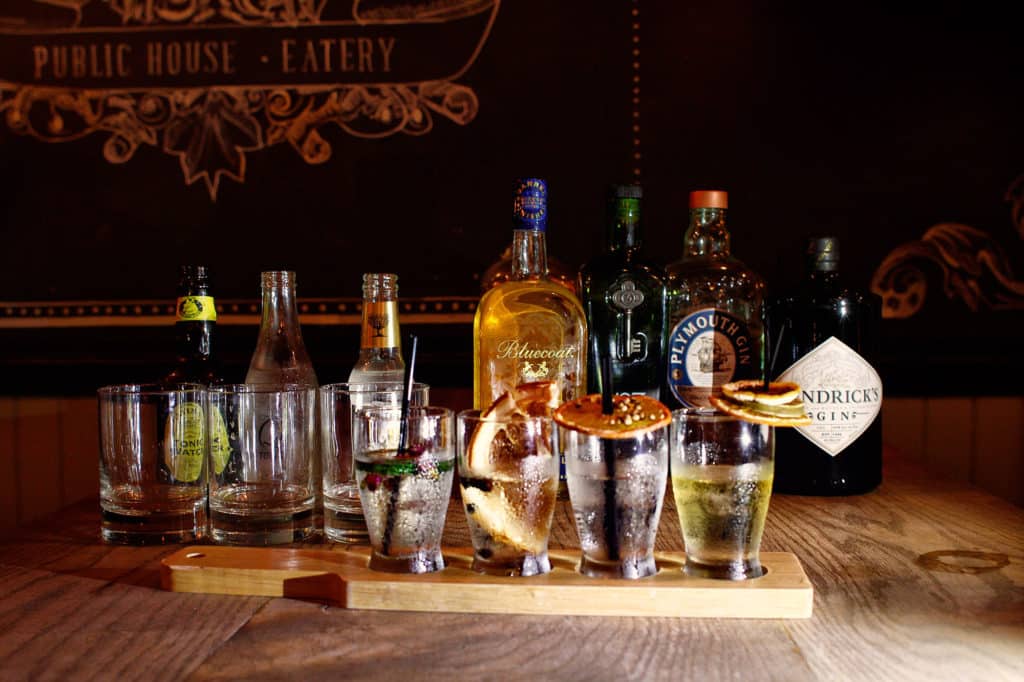
Walk into a serious Gin Bar and you can usually tell within a minute whether the place treats gin as a trend or as a language. The difference shows up before the first sip. It is in the pace of service, the stemware chosen for aroma rather than theatrics, the way citrus is handled, the confidence to leave a drink alone when it is already balanced. Reinventing traditional cocktails is not about setting a sprig on fire or pouring tonic from an obscure bottle. It is about understanding why the old recipes lasted, then deciding which parts deserve protection and which parts can be pushed.
That balance is harder than it looks. Classics survive because they work under pressure. They taste good at 6 p.m. When a guest wants a Martini before dinner. They taste good at 11 p.m. When the room is loud and someone orders a Negroni because they want certainty. A bar that changes a classic without respecting its internal structure usually ends up with a novelty drink that is remembered once and never ordered again. A good Gin Bar knows that reinvention starts with discipline.
The classic cocktail is already a piece of engineering
Traditional cocktails are often discussed romantically, but behind the romance is a lot of practical design. A Tom Collins is not just refreshing. It is a calibrated interaction of spirit, acidity, sweetness, dilution, carbonation, and temperature. A Gimlet is not merely gin and lime. It is a lesson in restraint. A Martini is not a blank canvas. It is one of the clearest tests of proportion, texture, and aromatic precision in the trade.
When a bar reinvents those drinks, it is working with inherited ratios that have already been pressure-tested over decades, sometimes more than a century. That matters. In professional service, classics function almost like architectural forms. You can renovate them, but if you remove the load-bearing wall, the room collapses.
At a well-run Gin Bar, the team usually begins with repeated side-by-side tastings. They make the classic in its accepted form, then alter one variable at a time. Change the vermouth in a Martini and hold everything else steady. Change the gin proof and taste the effect on dilution. Replace a lemon cordial with fresh acid and compare texture rather than just brightness. This is less glamorous than menu copy makes it sound, but it is where the real work happens.
One small example says a lot. Take the French 75. Many bars try to modernize it by making it sweeter, Gin Bar fruitier, or more overtly floral. Sometimes that works, but often it muddies the thing that makes the drink compelling, which is the snap between gin, citrus, sugar, and sparkling wine. A more thoughtful reinvention might use a higher botanical gin, dial sugar down slightly, and choose a drier sparkling wine so the drink feels sharper and more contemporary without losing its bones. The guest may not identify each technical decision, but they will feel the coherence.
Gin gives bartenders more room than most base spirits
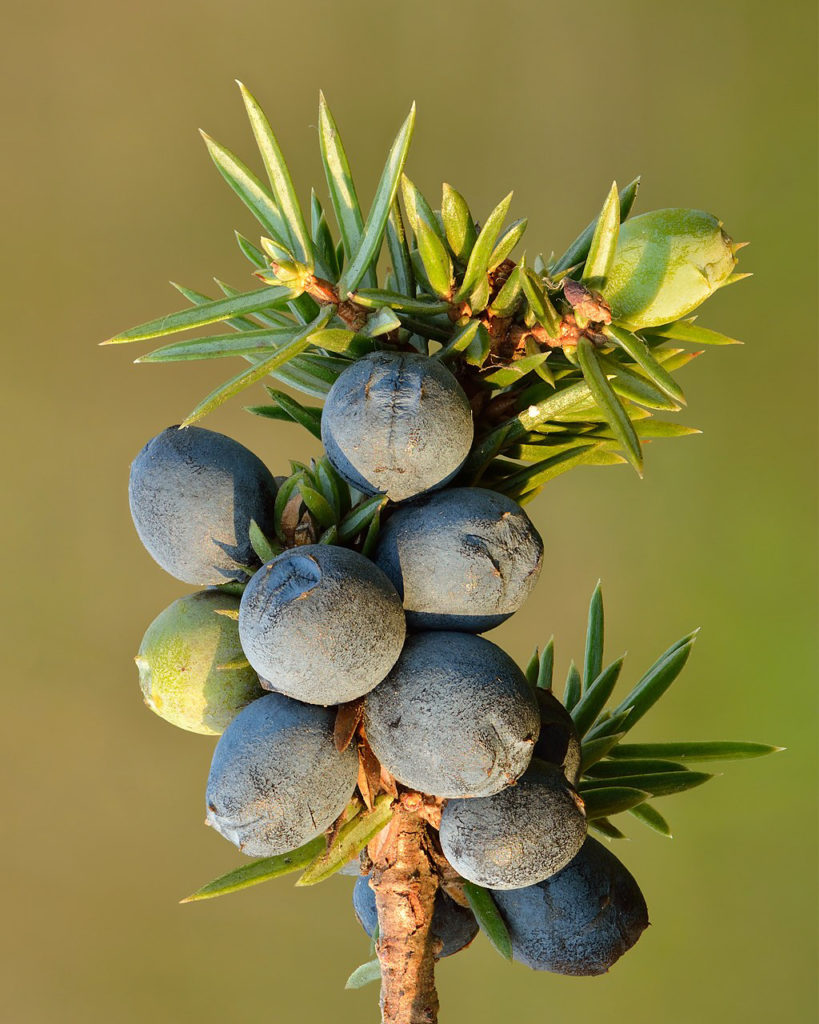
Gin is unusually suited to reinvention because its flavor architecture is already layered. Even within the broad category, styles can differ dramatically. A juniper-forward London dry behaves very differently in a classic than a softer contemporary gin with pronounced citrus, herb, or spice notes. Old Tom brings sweetness and roundness. Navy strength changes texture, lift, and dilution tolerance. Barrel-rested gin introduces a faint bridge toward whiskey territory, which can reshape familiar stirred drinks in interesting ways.
This variety gives a Gin Bar far more freedom than a whiskey bar would have with a Manhattan, where the frame is comparatively narrower. With gin, the base spirit itself can become the mechanism of reinvention. A bar does not always need to add house infusions, exotic tinctures, or rare liqueurs. Sometimes the smartest move is choosing a gin with enough coriander and angelica to make a Martinez feel drier, or enough citrus peel character to let a White Lady read cleaner and brighter with less orange liqueur.
That flexibility comes with risk. Swap the base recklessly and the drink stops making sense. I have had “updated” Gin Fizzes where the chosen gin was so perfumed with lavender and rose that the egg white and citrus turned the whole thing soapy. The bar had clearly chased individuality, but not compatibility. Botanicals have to work with acid, sugar, vermouth, bitters, and dilution, not just smell interesting in the bottle.
The better bars taste gin the way chefs taste stock. They ask what it does structurally. Does it lengthen the finish? Does it create a resinous dryness in the mid-palate? Does it disappear under citrus? Can it hold up in a bitter format like a Negroni, or is it better in a highball where lift matters more than weight? Reinvention becomes believable when those questions are answered before the menu is printed.
The modern back bar is a pantry, not a museum
Traditional cocktails were built in a world with fewer ingredients and less refrigeration consistency than bartenders enjoy now. A contemporary Gin Bar has access to better ice programs, more stable vermouth storage, precise acid solutions, clarified juices, custom cordials, carbonated components, and an expanded range of fortified wines and bitters. That does not mean every improvement should be used, but it changes what is possible.
Consider citrus. Fresh lemon and lime remain essential for many drinks, yet they are not perfect ingredients. They vary in sweetness, acidity, aroma, and yield. A bar that wants its Gimlet to taste identical from opening to close may build a house lime cordial or an adjusted lime solution that captures freshness while controlling inconsistency. Done well, this does not cheapen the drink. It often makes it more precise and stable than many older versions ever were.
Clarification has had a similar effect. In some cases, a clarified component lets a bar preserve the flavor of a classic while changing its mouthfeel and visual presentation. A Milk Punch variation built on a gin sour template can carry familiar notes, citrus, spice, floral lift, but arrive with transparency and silkiness that feel entirely current. The important thing is that the drink still drinks like a coherent descendant of the original, not a laboratory exercise.
Vermouth handling might be the least flashy upgrade and one of the most important. Many bad Martinis and Martinez variations fail not because the bartender lacks ambition, but because the vermouth has oxidized. A disciplined Gin Bar treats fortified wines as perishable. Bottles are dated, refrigerated, rotated, and used with purpose. That care allows the team to play with niche dry vermouths, bianco styles, quinquinas, and aromatized wines without introducing the stale, bruised note that ruins the final glass. Reinvention can be as simple as replacing one old modifier with a fresher, more expressive one.
Reinvention often starts with aroma, not flavor
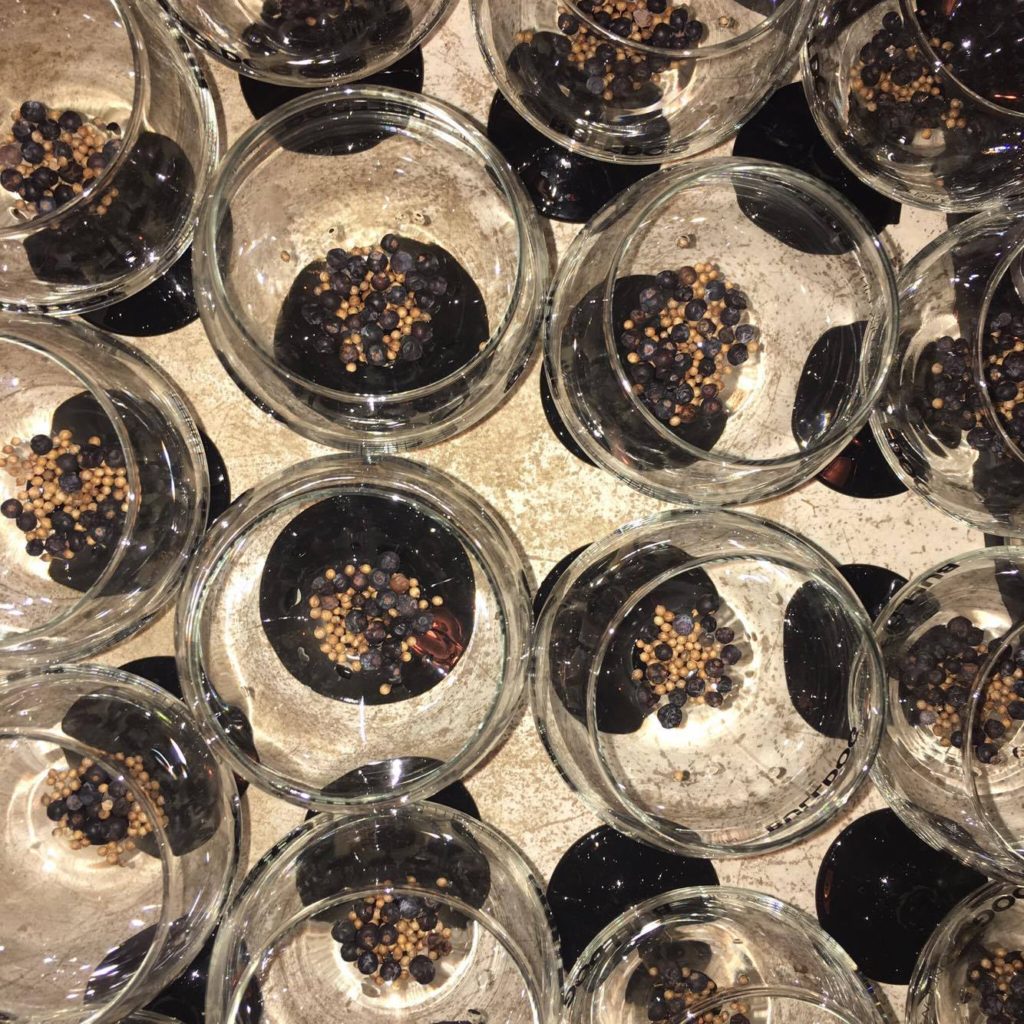
People tend to describe cocktails by taste, but gin lives as much in the nose as on the tongue. That is why garnish at a Gin Bar should never be an afterthought. It is also why many smart reinterpretations begin with aromatic redirection.
A classic Martini with a lemon twist leans toward brightness and tension. Swap that for a lightly expressed grapefruit peel and the drink opens wider, showing bitterness and breadth. Add a restrained herb such as tarragon or lemon thyme and the effect can be vivid, but only if the garnish is managed with care. Too much and the drink smells like a garnish tray rather than a Martini.
This is where experienced bartenders show judgment. The goal is not maximum intensity. It is selective emphasis. If the gin already carries cardamom and citrus, a simple expressed orange peel may be enough to make a traditional Martinez feel newly alive. If a Negroni variation uses a local bitter aperitif with gentler bitterness than Campari, a charred orange coin might add depth without changing the recipe much at all.
There is also a practical side to aromatic reinvention. Guests often perceive a cocktail as more complex when the aroma changes during the drinking experience. A frozen or very cold drink that slowly opens in the glass creates a kind of staged reveal. A well-designed garnish can support that. It is a subtle form of modernizing a classic, less obvious than changing ingredients, often more successful.
The Negroni is where ambition gets tested
If you want to see whether a Gin Bar truly understands reinvention, order the house Negroni. It is one of the toughest classics to alter well because it is so stripped down. There is nowhere to hide. Gin, bitter aperitif, sweet vermouth. Equal parts, if you follow the most familiar formula. The drink teaches humility.
Many bars start by changing one component. They might use a brighter vermouth, a gentler red bitter, or a navy-strength gin to hold the center. Others alter the ratio, often pulling the bitter component back and giving more room to the gin. This can work beautifully, especially for guests who find the classic too blunt. But if the bar makes those changes, the result should still carry the snap, grip, and bittersweet authority that define the drink. If it becomes soft, jammy, or cloying, the bar has not reinvented the Negroni. It has sidestepped it.
The most convincing modern versions often rethink texture rather than identity. A white Negroni already proved how far the concept Gin Bar can stretch while remaining recognizable. Some bars freeze-dilute or batch their variation for exact consistency. Others play with saline in tiny amounts to widen flavor without obvious saltiness. A measured saline addition, often just a few drops, can make botanicals feel more articulate and can tame bitterness just enough to improve drinkability. That is a technical intervention with a classic effect: it makes the drink more itself.
I once tasted a house Negroni at a coastal bar that used a saline-adjusted vermouth and a gin distilled with local sea herbs. On paper, it sounded like a gimmick. In the glass, it was disciplined. The salinity was almost undetectable, but the drink felt broader, cleaner, and slightly more savory. It still read unmistakably as a Negroni. That is the threshold that matters. The drink should surprise without requiring explanation.
Carbonation, dilution, and temperature are part of the recipe now
A traditional cocktail recipe written on paper can be misleading because it rarely captures the full physical experience. Yet in practice, carbonation level, ice density, glass temperature, and dilution curve are as consequential as any spirit choice. A modern Gin Bar reinvents classics partly by controlling those variables with more precision than older bars could.
Take the Gin Rickey. Historically, it is brutally simple. Gin, lime, soda. In many places, it is treated as an afterthought. But with exact carbonation, very cold build temperature, clear dense ice, and a gin selected for minerality or citrus lift, the Rickey can feel newly relevant, almost architectural in its restraint. Reinvention here is not about adding ingredients. It is about execution to a standard the older template rarely received.
The same applies to the Collins family. House carbonation rigs have changed the category. Instead of topping a drink with commercial soda and hoping the fizz holds, bars can force carbonate to a target level and pre-batch for a tighter, finer texture. That subtle change gives the drink a more integrated mouthfeel. A guest may call it smoother or more elegant without knowing why.
Frozen service is another useful case. A classic stirred gin cocktail served from the freezer, at a pre-diluted specification, can feel both old-fashioned and current. The colder serving temperature suppresses some aromatic volatility at first, then gradually releases it. This creates a dynamic drinking arc. Some Martinis and Martinez variations become more focused this way, though not all. The trade-off is that extreme cold can mute delicate vermouths or subtle floral gins. A thoughtful bar chooses which drinks benefit and which lose too much expression.
Local ingredients matter only when they improve the drink
Every city now seems to have access to regional botanicals, seasonal produce, and small-batch distillers eager to tell a provenance story. That can enrich a Gin Bar, but it can also tempt the team into using ingredients for narrative value rather than sensory value.
The smart approach is selective. If local grapefruit has unusually fragrant peel during winter, it may genuinely improve a house take on a White Lady or a Corpse Reviver-style drink. If a nearby producer makes a savory aperitif that slots naturally into a Negroni variation, that is useful. If a wild herb from the region tastes muddy once mixed with citrus and sugar, it should stay out, no matter how compelling the backstory sounds.
Seasonality is often better expressed through support ingredients than through the base formula. A spring gin sour might carry a restrained rhubarb note in the sweetening component rather than loading the whole drink with produce. An autumn reinterpretation of a Martinez could use a spiced vermouth or a delicate stone fruit eau-de-vie rinse, creating resonance with the season without turning the cocktail into dessert.
There is also a cost and consistency question that bars ignore at their peril. Hyper-seasonal ingredients are harder to source, vary more, and can destabilize service. A brilliant drink that tastes noticeably different every week is not always a virtue. Reinvention must survive Friday night volume. That is one of the clearest differences between a bar drink and a one-off competition serve.
Guests want novelty, but they order trust
Menu design at a Gin Bar reveals a lot about how the team thinks. Some bars push innovation in the language itself, renaming classics beyond recognition and obscuring the original inspiration. Others are more direct, saying plainly that a drink is “our take on a Gimlet” or “a Martini with fino sherry and grapefruit oil.” The second approach usually builds more trust.
Guests do not mind being surprised. They mind being misled. If a drink is described as a Martini, they expect a certain spirit-first profile, low sweetness, and aromatic clarity. If it arrives cloudy, juicy, and sweet, the bar has broken the contract. That does not mean the drink is bad. It means the label is wrong.
Experienced bartenders learn that reinvention succeeds best when the guest can still find a familiar handrail. It might be the bitterness of a Negroni, the austerity of a Martini, the lift of a Collins, or the sour-sweet symmetry of a Gimlet. The handrail gives the guest confidence. Once that confidence exists, the bar can take them further.
There is a commercial dimension here too. The house classics often become a Gin Bar’s identity more effectively than its most experimental signatures. Guests return for the drink that feels both recognizable and slightly better than expected. That is the sweet spot. Not radical for its own sake, not reverent to the point of dullness.
The staff are the final ingredient
No amount of recipe development matters if the bartender on the station cannot execute the drink repeatedly and explain it without theatre. Reinvented classics demand more, not less, from staff. They need to know the original drink, the reason for the change, the sensory effect of that change, and the fallback option if a guest wants the standard version instead.
That last point matters. A confident Gin Bar can make the house Martini and the classic Martini without defensiveness. If a guest asks for less vermouth, a different garnish, or a more traditional build, good staff adapt. Reinvention is a service philosophy, not a manifesto.
Training also protects against drift. Many excellent house recipes slowly deteriorate over months because bartenders begin eyeballing small elements, over-expressing peels, shaking too hard, or trimming garnish inconsistently. In a gin-forward program, those details are not small. The difference between one grapefruit peel and three, or between ten seconds of stir time and fifteen, can materially alter balance.
The bars that stay sharp are the ones that taste their own drinks constantly. Pre-service calibration, spot checks during busy nights, conversations about bottle variation, and honest feedback loops keep reinvention from becoming entropy. The guest sees a polished glass. Behind it is repetition.
Why the best reinventions feel inevitable
The most memorable updated classics often share one quality: once you taste them, they feel obvious. Not simplistic, but inevitable, as if the drink had been waiting for that adjustment all along. Maybe it is a Bamboo-like Martini variation that uses gin to add spine. Maybe it is a Collins that relies on a house citrus blend for greater precision. Maybe it is a Negroni that rebalances bitterness with a drier vermouth and a more assertive gin. Whatever the form, the drink makes immediate sense.
That sense of inevitability comes from respect. A Gin Bar earns the right to reinvent traditional cocktails by understanding their original purpose, not just their ingredient list. The old drinks were built to refresh, stimulate appetite, pace an evening, sharpen conversation, and give pleasure with efficiency. Modern techniques and ingredients can improve those functions, but only if the bar keeps them in view.
A classic does not need saving. It needs interpretation. The best bars know the difference. They approach a Martini, Gimlet, or Negroni the way a skilled musician approaches a standard, hearing the established melody clearly, then finding room for timing, tone, and phrasing that make it speak to the present. That is how reinvention lasts. Not through noise, but through control. Not through novelty alone, but through a better drink.
The Winslow
243 E 14th St
New York, NY 10003, United States
Phone: +1 212-777-7717
FAQ About Gin Bar
How to do a gin tasting?
Start with a small pour and gently smell the gin before taking a small sip. Notice its juniper, citrus, floral or spice notes, then compare how the flavor changes with a little water or tonic. At a gin bar, ask the bartender to explain the selection and botanical pairings.
How to make the best tasting gin and tonic?
Use chilled gin, fresh tonic and plenty of ice. A common starting ratio is one part gin to two parts tonic, adjusted to taste. Choose a garnish that complements the gin's botanicals and stir gently to preserve the bubbles.
What is the smoothest tasting gin?
There is no single smoothest gin for everyone. Perceived smoothness depends on the botanical recipe, alcohol strength, serving temperature and mixer. Describe whether you prefer citrus, floral, herbal or juniper-forward flavors so a bartender can suggest a suitable style.
Ends · CRUZMIBX059